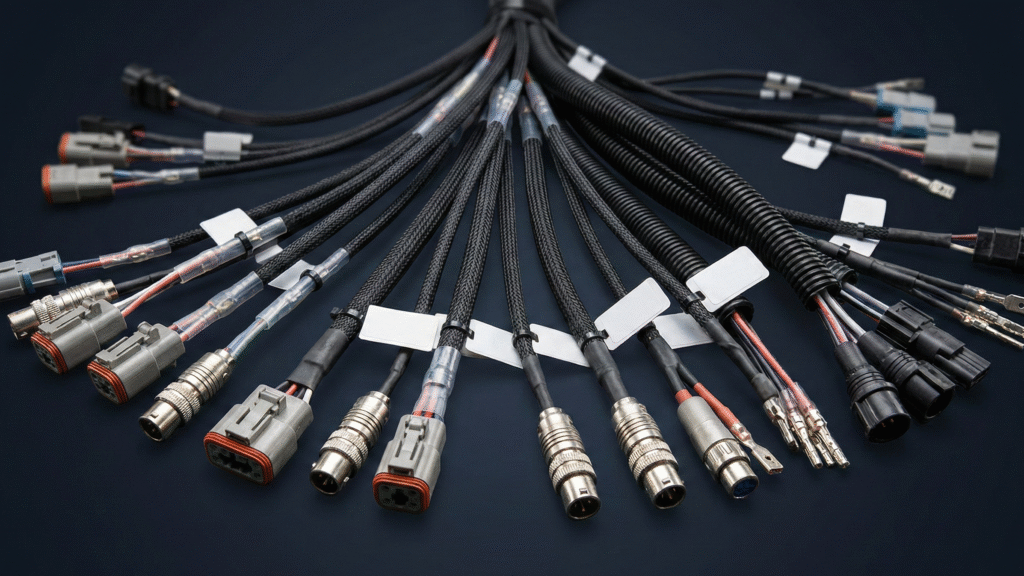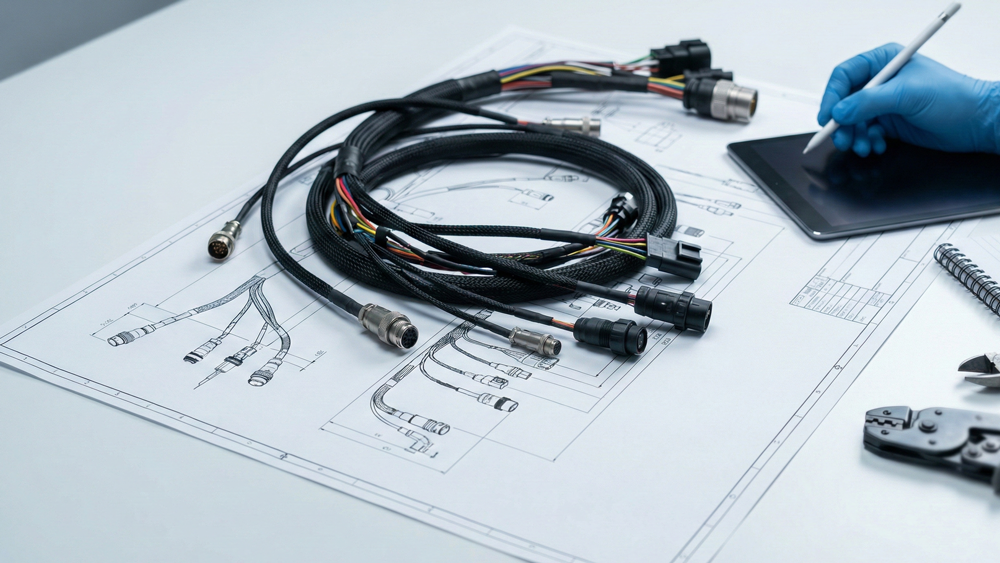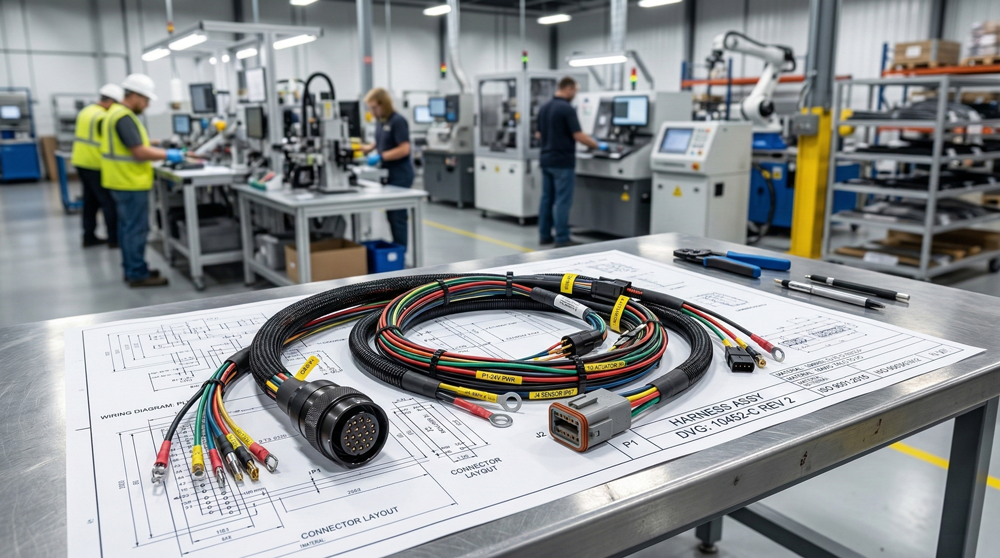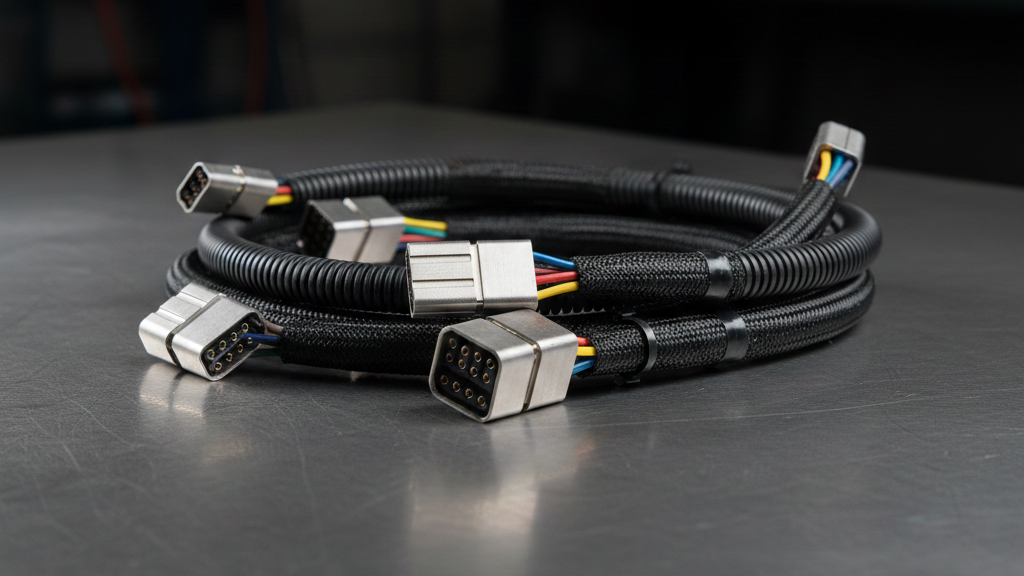
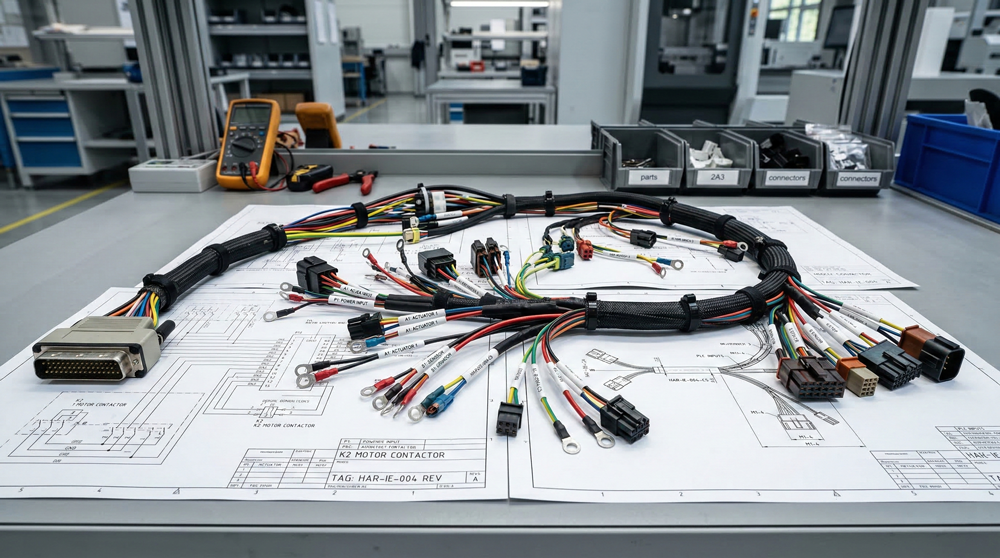
Incoming inspection standards for OEM cable assemblies are one of the most practical controls between supplier shipment and stable production use. Incoming inspection standards for OEM cable assemblies help buyers confirm that what arrives at the warehouse still matches the released baseline, the approved labels, the packaging logic, and the quality level expected after pilot and first article approval.
For OEM buyers, incoming inspection is not only a quality checkpoint. It is also a release-control checkpoint. A shipment may arrive on time and look acceptable at first glance, yet still contain the wrong revision, the wrong label format, the wrong packaging identifier, or a small build drift that will create line-side trouble later. Good incoming inspection catches those problems before they move deeper into production.
Table of Contents
ToggleWhy Incoming Matters
Incoming inspection matters because the first stable version of a project is not protected only by drawings and supplier promises. It is protected by what the buyer actually accepts into stock. If receiving and inspection are too loose, even a well-managed change-control process can break down once the first shipments begin.
This is especially important in cable assembly programs because many errors are operationally serious while still being physically small. A cable may function electrically and still be the wrong version. A label may be readable and still not follow the approved part logic. A package may protect the product and still create warehouse confusion. These are exactly the kinds of issues incoming inspection should catch.
For procurement, incoming standards reduce supply risk. For quality, they create a stable gate between supplier output and internal use. For operations, they reduce the chance that the wrong lots reach line-side assembly. In OEM projects, incoming inspection is often the last low-cost place to stop a high-cost mistake.
Set the Standard
Incoming inspection only works when the team knows what “correct” means. That sounds simple, but many projects still inspect against a mix of memory, old samples, partial drawings, and informal comments.
A stronger approach begins with a defined inspection standard. The buyer should know which drawing revision is active, which first article or pilot result is the current visual and material reference, which labels are correct, which packaging identifiers are required, and which specific build features matter most to the program. If any of those are unclear, incoming inspection becomes inconsistent immediately.
This is why incoming control should be tied to released documents and approved reference builds rather than to general familiarity. Inspectors should not have to guess whether a label move, sleeve change, or branch position is acceptable. The standard should already answer that. If it does not, the problem is not only in inspection. It is upstream in release control.
Match the Release
Incoming inspection should always match the current release status of the project. A mature, stable cable assembly may need a lighter inspection model than an early launch part or a newly revised item. The inspection depth should follow the real project phase.
For example, a cable assembly just coming out of pilot or first article review usually deserves closer incoming control. The buyer may want stronger checks on labels, packaging, material identity, and visible workmanship because the first several lots are still proving the release. By contrast, a long-stable part with a strong supplier history may not need the same level of attention on every shipment.
This is why incoming standards should connect directly to the wider release logic in Cable Assembly Change Control and Production Readiness, How OEM Buyers Manage Cable Assembly ECN and Revision Changes, Cable Assembly Pilot Run Checklist Before Mass Production, and First Article Inspection for Custom Cable Assemblies. Incoming inspection is stronger when it is based on the current release state, not on one fixed habit used for every part.
Check the Shipment
The first incoming review should begin with shipment identity, not with the cable itself. Before inspectors judge build quality, they should confirm that the shipment is the shipment they expect.
That means checking the supplier name, part number, revision reference if used in the buyer’s system, quantity, lot or batch information, shipment date where relevant, and any outer labels or carton identifiers the program requires. If these basics do not match, deeper product inspection may still be necessary, but the receiving decision is already at risk.
This step matters because many early production problems are not pure workmanship problems. They are shipment-control problems. The wrong lot may be delivered under the right part number. The right cable may be packed under an outdated label format. The supplier may ship old and new stock under one purchase order if the release boundary was not controlled tightly. Incoming inspection should be structured to catch that before the product reaches inventory.
Verify the Labels
Labels deserve special attention in incoming inspection because they affect receiving, storage, production issue control, and service support. In many OEM cable assembly projects, labels are part of the released product definition, not just a convenience feature.
Incoming inspection should therefore confirm label content, readability, location where relevant, consistency with approved formatting, and alignment with the receiving logic used by the buyer. If the project requires internal part numbers, customer references, lot codes, date codes, or packaging identifiers, these should be checked against the released standard rather than accepted on familiarity alone.
This is especially important after ECN activity, pilot corrections, or early production release. Label drift is common because it often looks small enough to ignore. Yet label inconsistencies create exactly the kind of warehouse and line-side confusion that can multiply quickly in real operations. A strong incoming standard prevents that by treating label control as a product issue, not an administrative afterthought.
Inspect the Build
Physical inspection of the cable assembly should focus on the build features that matter most to fit, function, repeatability, and handling. Not every project needs the same depth, but every project should define what visible build characteristics incoming inspection must confirm.
Typical checks include connector orientation, cable routing logic, breakout positions, sleeve or tube placement, visible strain-relief treatment, heat shrink position, tie or wrap consistency where relevant, and general finish quality. The inspection should also confirm that the received product matches the accepted first article or approved standard closely enough that production can use it confidently.
In custom cable assemblies, this step is often where small build drift becomes visible. The product may still “work,” but the route may be slightly off, the label may sit in the wrong place, or the protection detail may not reflect the released version. Incoming inspection is valuable because it catches these differences before they become assembly-floor arguments or service problems later.
Review the Pack
Packaging should be part of incoming inspection because in real OEM flow, the way the cable arrives affects storage, handling, identification, and early-use reliability. A physically correct cable assembly can still create operational trouble if the packaging method is weak.
Incoming review should therefore check whether the package protects the cable against damage, preserves label visibility where needed, avoids unnecessary tangling or over-bending, and supports the buyer’s receiving and warehouse process. If bag labels, carton labels, dividers, or bundle methods are part of the approved standard, they should be inspected too.
This is particularly important in early lots and after packaging changes. A supplier may believe the product is correct because the cable itself is correct, while the buyer may still lose time because the packaging no longer supports receiving, count verification, or line feeding properly. Good incoming inspection closes that gap early.
Control the Records
Incoming inspection becomes much more useful when the records around the shipment are also controlled. This does not mean every part needs an oversized paperwork package, but the inspection should still confirm that the basic shipment identity and receiving history can be understood later.
The buyer should be able to connect the receipt to the purchase order, the supplier lot or batch where relevant, the active product version, and any special release condition attached to the shipment. If a later issue appears, the team should not have to reconstruct from memory which early lots were inspected under which standard.
This matters most during launch, revision change, or supplier transition, but it also helps mature programs. Clear incoming records support containment, supplier feedback, internal traceability, and future process improvement. In OEM cable assembly supply, receiving discipline is often the point where product control becomes operational instead of theoretical.
Use Clear Acceptance
Incoming inspection should end with a clear acceptance status. A lot should not move into inventory on the basis of vague phrases such as “looks fine” or “probably okay.” The decision should match the real condition of the shipment.
In practice, the result usually falls into a few simple categories:
| Incoming result | Meaning |
|---|---|
| Accepted | Shipment matches the active standard and can enter normal stock |
| Accepted with note | Minor issue recorded, but lot is still usable |
| Hold for review | Further engineering, quality, or purchasing decision is needed |
| Rejected | Shipment does not meet the active standard and cannot be released |
The value of this structure is clarity. Procurement knows whether supplier follow-up is needed. Quality knows whether the issue is small or blocking. Operations knows whether the lot can be used. The supplier knows whether the shipment truly passed or only moved forward under comment. That is far better than letting acceptance stay informal.
Handle the First Lots
The first lots after pilot, first article, or an ECN deserve tighter incoming attention than mature production lots. This does not mean the supplier is untrusted. It means the buyer recognizes that early shipments are still proving the release in real flow.
For these lots, incoming inspection often benefits from closer review of labels, package IDs, visible build consistency, and any feature directly touched by the most recent change. If a new revision has just started, the buyer may also need to confirm that old and new stock are not mixed, that the correct lots are arriving under the correct release boundary, and that any new packaging or label logic is actually in use.
This is especially important because early-lot problems are often subtle. They may not be major quality escapes, but they can still cause noise in receiving, warehouse storage, or first-line production. Strong incoming standards help reduce that noise before the project settles into normal supply.
Avoid Common Gaps
Several common gaps weaken incoming inspection in cable assembly programs. One is inspecting only the product and not the shipment identity. Another is checking only continuity or obvious defects while ignoring labels, packaging, and version cues. Another is using an outdated visual reference even after the project baseline has changed.
A different gap appears when incoming inspection is held to one fixed depth no matter the project stage. Early-release lots, stable mature lots, and post-ECN lots do not always need the same inspection logic. Using the same habit for all three can either waste time or miss real risk. Another common problem is accepting shipments under schedule pressure before open questions are truly closed. That may keep short-term flow moving, but it usually pushes confusion deeper into operations.
These gaps are avoidable when incoming standards are tied to the actual release state of the project rather than treated as a generic warehouse activity.
Use Incoming Better
A stronger incoming process does not always need more steps. Usually it needs a better connection to the rest of the release system. Incoming inspection works best when the team already knows the approved baseline, the current revision status, the first accepted article, and the special controls attached to new or revised lots.
This is why incoming inspection should be seen as part of change control and launch control, not as a separate downstream task. When it is connected properly, it becomes a powerful filter. It confirms that the supplier is still shipping the approved product, that the release boundary is still being respected, and that the warehouse is receiving material it can trust.
For OEM buyers, that is the real value of incoming inspection. It protects the production floor from uncertainty before uncertainty gets expensive.
Conclusion
Incoming inspection standards for OEM cable assemblies should be built around the active release baseline, the shipment identity, the approved labels, the visible build standard, the packaging method, and the real project phase. Good incoming inspection does more than catch obvious defects. It protects the boundary between supplier output and usable stock.
When buyers use incoming inspection this way, they reduce the risk of wrong versions, mixed lots, unclear labels, weak packaging, and early production confusion. In custom cable assembly programs, that often means a cleaner launch, more reliable receiving control, and fewer avoidable problems once supply begins to scale.
FAQ
What should incoming inspection check first for cable assemblies?
The first check should usually be shipment identity, including part number, supplier, quantity, labels, lot information where relevant, and whether the shipment matches the active release expectation.
Should incoming inspection always include label review?
Yes, in most OEM programs. Labels affect receiving, storage, traceability, and service, so they should be part of the standard rather than an optional check.
Is the same incoming standard suitable for all project stages?
Not always. Early launch lots, revised lots, and stable mature production may need different inspection depth depending on project risk and recent changes.
Why is packaging part of incoming inspection?
Because packaging affects protection, handling, identification, and warehouse usability. A correct cable can still create operational trouble if the packaging is wrong.
What is the main purpose of incoming inspection in OEM cable assembly programs?
Its main purpose is to confirm that the shipment entering stock still matches the approved product baseline and can be used without creating downstream confusion or risk.
CTA
If you are setting incoming inspection standards for a cable assembly project, the most useful first step is to confirm whether your inspectors are working from the current release baseline, the current label logic, and the correct first accepted build reference.
You can send your drawings, first article reference, label format, packaging notes, and receiving questions through Contact. Our team can help review the incoming standard and support a more controlled OEM receiving process before launch risk grows.