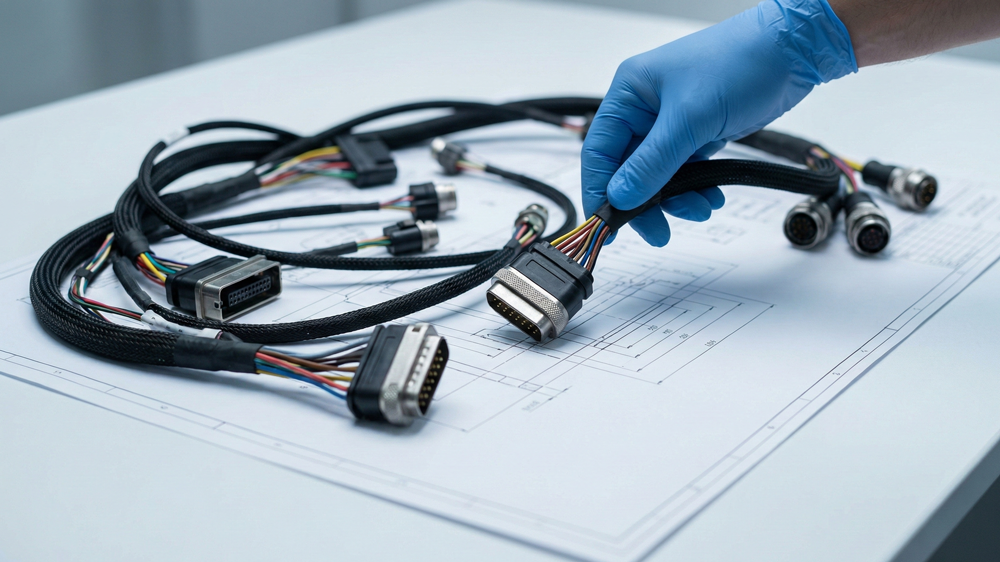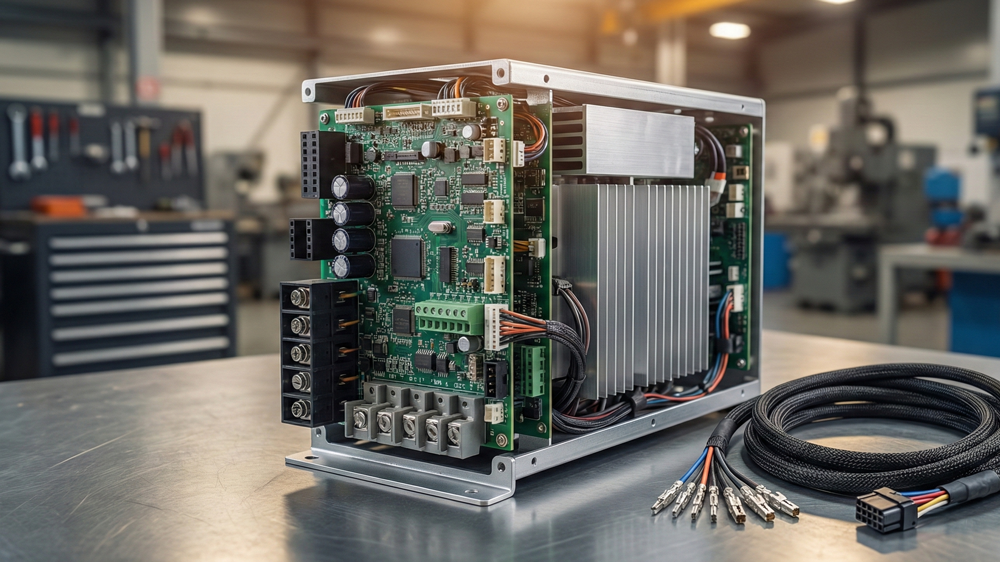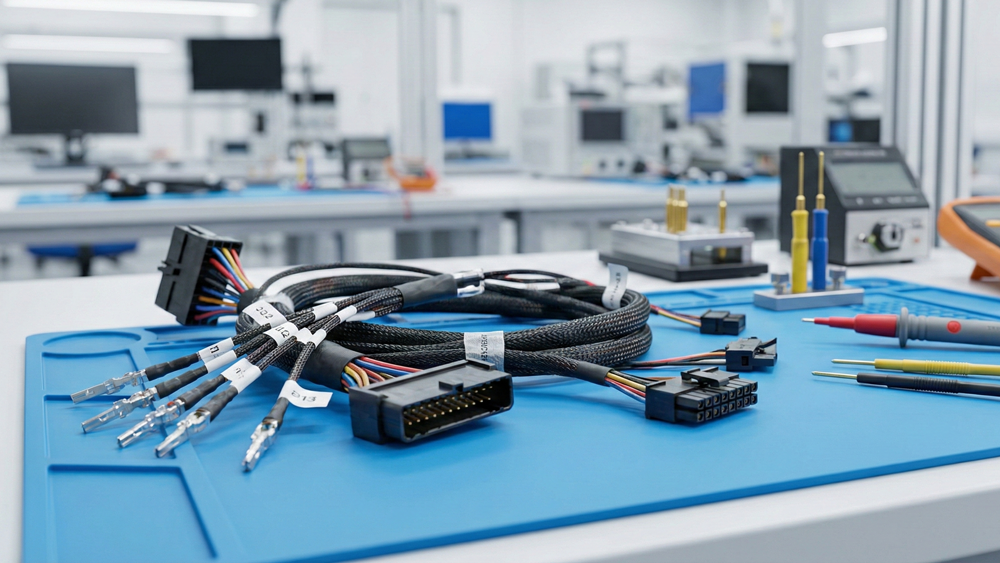

A clear wiring harness warranty and return policy guide helps buyers reduce downtime risk, shorten dispute cycles, and keep total cost of ownership under control. In B2B cable assembly sourcing, problems don’t become expensive because defects exist—problems become expensive because the process for handling defects is unclear. Ambiguous warranty terms create slow containment, delayed replacements, and repeated negotiations, which is exactly what procurement teams want to avoid.
This guide gives a buyer-friendly structure for warranty coverage, return authorization, evidence requirements, and response timelines—so both sides know what happens when an issue is found. It also shows how suppliers can turn warranty policy into a business advantage: predictable support, faster containment, and higher buyer confidence.
Table of Contents
ToggleWhy warranty policy is part of supplier qualification
Most teams treat warranty as a legal appendix. In reality, warranty and returns are operational controls. They define how quickly your production line gets parts when something fails, how fast you can isolate affected lots, and how much internal time is wasted on supplier back-and-forth.
From a business standpoint, warranty policy protects three buyer outcomes: continuity of supply, cost predictability, and reputation protection. It also protects the supplier by preventing open-ended liability and unclear expectations.
If you are building a complete supplier qualification workflow, anchor this policy in the broader framework of Supplier Qualification Guide for Cable Assemblies and align evidence expectations to Quality Evidence Pack Guide. A warranty claim is resolved faster when evidence and traceability already exist.
Define what “warranty” covers for cable assemblies
Warranty policies fail when “defect” is not defined. For wiring harness and cable assemblies, coverage should specify what is considered a manufacturing defect versus what is considered application or handling damage.
A practical definition of manufacturing defect includes: incorrect build to revision, incorrect pinout, incorrect wire type or gauge, incorrect length outside defined tolerance, incorrect terminal/connector selection when the supplier was responsible for selection, nonconforming termination that fails within defined acceptance criteria, missing labels or incorrect labels that break traceability, and test failures that should have been caught by agreed outgoing checks.
A practical list of common exclusions includes: damage from installation, misuse, abnormal mechanical loads, unauthorized rework, exposure beyond defined environmental limits, and design issues outside supplier responsibility. The goal is not to avoid responsibility. The goal is to define responsibility so claims can be resolved quickly.
If you want fewer disputes, ensure your RFQ inputs and revision ownership are clear using Cable Assembly RFQ Checklist and ensure change responsibility is controlled using Cable Assembly Change Control and ECO Guide.
Warranty period and start point
B2B warranty can be defined by time, by shipment date, by installation date, or by first use. Each choice has commercial consequences.
A shipment-based warranty is simplest operationally and easiest to administer. An installation-based warranty is more buyer-friendly but requires more documentation and can create ambiguity if installation date is unclear. Some programs use a hybrid: a maximum time from shipment plus a shorter time from installation.
Define the warranty start point explicitly and define how the buyer must document start date if installation-based terms apply. Avoid policies that depend on unknown facts because unknown facts delay resolution.
Return authorization process
A clear Return Material Authorization (RMA) process is the single most important operational element in a warranty policy. Without it, every return becomes an email thread.
A practical RMA process includes: claim submission channel, minimum information required, initial response time, triage decision time, return shipping instructions, and expected disposition timelines.
Buyers also need clarity on whether the supplier ships replacements before receiving returns and under what conditions. For many production environments, advance replacement can reduce downtime dramatically, but it should be tied to evidence quality and claim credibility.
To reduce friction, align RMA record requirements with the traceability model defined in your evidence pack, using Quality Evidence Pack Guide. When shipments are traceable, returns are faster to isolate.
Claim evidence requirements that accelerate resolution
Warranty claims should be evidence-driven. The mistake many buyers make is sending vague complaints. The mistake many suppliers make is demanding excessive proof. The correct approach is to define a minimum evidence set that is enough for triage and containment.
A minimum evidence set for most wiring harness claims includes: part number and revision, PO or shipment identifier, lot or serial identifier, failure description, photos of the harness and connector interfaces, and the basic test symptom (open, short, intermittent, resistance drift, fit mismatch).
For electrical issues, define whether the buyer must provide test setup details (fixture, continuity method, measured points). For mechanical issues, define whether the buyer must provide installation context and how load was applied. For packaging damage, define what transit evidence is required.
The objective is not to shift work to the buyer. The objective is to standardize information so suppliers can make decisions quickly.
Triage categories and response timelines
Warranty policies become buyer-friendly when they define timelines and triage categories. Buyers want predictability: when will we get an answer and when will we get replacement parts.
A practical triage model includes:
Critical production stop issues that require immediate containment and rapid replacement decisions. Functional defects that can be contained through sorting or rework guidance while replacements are prepared. Minor nonconformances such as labeling issues that may not affect function but must be corrected for traceability.
Define response targets for each category. For example: initial response within one business day, triage decision within two business days, replacement shipment within a defined window for critical issues. The exact numbers depend on your industry, but the presence of targets reduces dispute cycles.
Replacement, rework, and credit options
B2B warranty is rarely “refund only.” More often, it is a set of practical remediation options: replacement, rework instructions, on-site containment support, or credit.
Define what options are allowed and who decides. For high-risk programs, buyers often want the right to decide whether rework is acceptable. For suppliers, clear rules protect against unlimited claims and unrealistic expectations.
Also define how shipping costs are handled for confirmed defects, and how costs are handled when a claim is not confirmed. Ambiguous freight responsibility becomes a frequent source of friction.
Containment and lot isolation
The most expensive warranty events are those that expand uncontrollably. A mature supplier policy defines containment actions that limit the affected scope.
Containment typically includes: immediate identification of affected lots by traceability, quarantine guidance for the buyer, stop-ship on supplier side for potentially affected inventory, and rapid verification testing on retained samples if available.
This is where a supplier’s traceability discipline becomes a commercial advantage. If the supplier can isolate risk quickly, the buyer’s containment cost drops, and buyer trust increases.
Containment depends heavily on revision control and change control. If revision mixing is possible, containment becomes expensive. That’s why warranty policy must connect to Cable Assembly Change Control and ECO Guide as an upstream prevention mechanism.
Failure analysis and corrective action expectations
A warranty claim should not end with “replacement shipped.” The purpose of a claim is to prevent recurrence.
Define whether returned samples will be analyzed and what analysis outputs the buyer receives. Define whether the supplier will provide corrective action documentation and what level of depth is expected. For recurring or high-impact issues, buyers often require structured corrective action, including root cause evidence and verification that the fix worked.
You don’t need to mandate a specific problem-solving format in public-facing policy, but you should define that corrective action outputs exist and that changes triggered by corrective actions are controlled through the ECO workflow.
Packaging damage and shipping claims
Many “quality” claims are actually shipping damage. A warranty policy should define how packaging damage is handled, what evidence is required, and where responsibility sits.
Define packaging requirements in your RFQ and purchase terms, including connector caps, coil method, minimum bend radius during packaging, ESD handling if needed, moisture protection if needed, and carton-level protection. Define how carriers are selected and how claims are filed when damage is transit-related.
This prevents the buyer from paying for damage that occurred outside manufacturing and prevents suppliers from being blamed for issues created by handling.
Warranty policy as a value proposition
A buyer does not want a supplier who only ships parts. A buyer wants a supplier who can resolve issues predictably without turning every defect into a negotiation.
When you position your warranty policy as “fast triage, audit-ready evidence, and rapid containment,” you are speaking the buyer’s language: lower downtime risk and lower total cost. This supports your commercial narrative on Why Choose Us and should be consistent with your operational capability under Tests & Inspections.
Conclusion
A wiring harness warranty and return policy is an operational system, not legal text. When it defines coverage clearly, standardizes claim evidence, sets response timelines, and ties containment to traceability and change control, it reduces cost for both buyer and supplier.
For procurement teams, a predictable warranty process is a supplier qualification criterion. For suppliers, it is a trust mechanism that shortens disputes and increases repeat orders.
FAQ
What should buyers include in a wiring harness warranty claim?
Part number and revision, shipment identifier, lot or serial number, failure description, and clear photos. Add test setup details for electrical claims when possible.
Should suppliers provide replacements before receiving returns?
For critical production-stop issues, advance replacement can reduce downtime. It should be tied to claim credibility, traceability, and clear RMA rules.
How do we keep warranty claims from becoming long disputes?
Define evidence requirements, response timelines, and decision criteria up front. Audit-ready evidence packs and traceability make decisions faster.
What is the biggest factor that increases warranty cost?
Slow containment. When lots cannot be isolated quickly, buyers quarantine too much inventory and suppliers investigate too broadly.
How does change control affect warranty outcomes?
Uncontrolled change creates revision mixing and silent substitutions, which expands containment scope and increases disputes. Controlled ECO discipline reduces both.
CTA
If you want a buyer-ready warranty and return policy tailored to your program risk level and volumes, share your product category, traceability needs, and typical failure costs. We can propose practical RMA workflow steps, response timelines, and evidence requirements suitable for OEM/ODM sourcing.
- Discuss your program: Contact
- Why buyers select us: Why Choose Us
- Verification scope reference: Tests & Inspections
- Quality commitments: Quality Guarantee and Quality Policy